
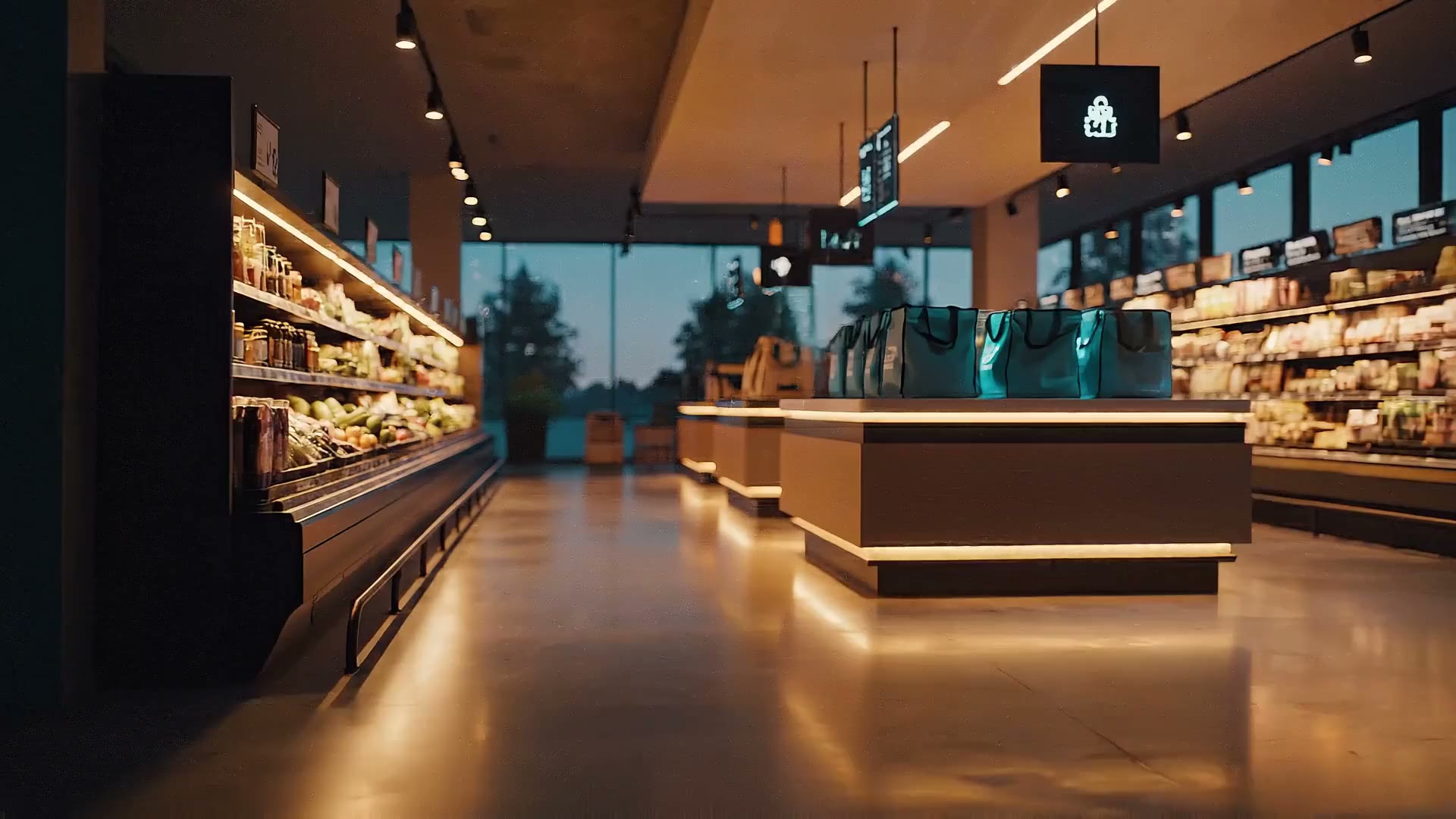
Omnichannel operating system for grocery
One operating systemfor every banner.
For multi-banner grocers: in-store POS and five delivery marketplaces, reconciled into one number per question, tied to the till.
- banners
- stores
- channels
The product
One number per question, tied to the till.
Every register and marketplace, reconciled across every banner. Click a figure and the chart follows it.
Cascadia Grocery Group / CHANNELS
Channel mixWTD 2026 W18
| Channel | Share of GMV | GMV | Orders | WoW | Fill rate |
|---|---|---|---|---|---|
| Instacart | -9.4% | ||||
| Uber Eats | -6.1% | ||||
| DoorDash | -19.3% | ||||
| Shipt | -12.0% | ||||
| Amazon | -14.5% | ||||
| All channels | Tied to the POS control total | -11.2% |
Sample data
Feed landed
Instacart weekly export, 4 banners
Substitution rate moved
Uber Eats, 1.2 pts week over week
Snapshot published
08:00 UTC, tied to the control total
Integrations




It's an innovative product and can really help the grocery sector
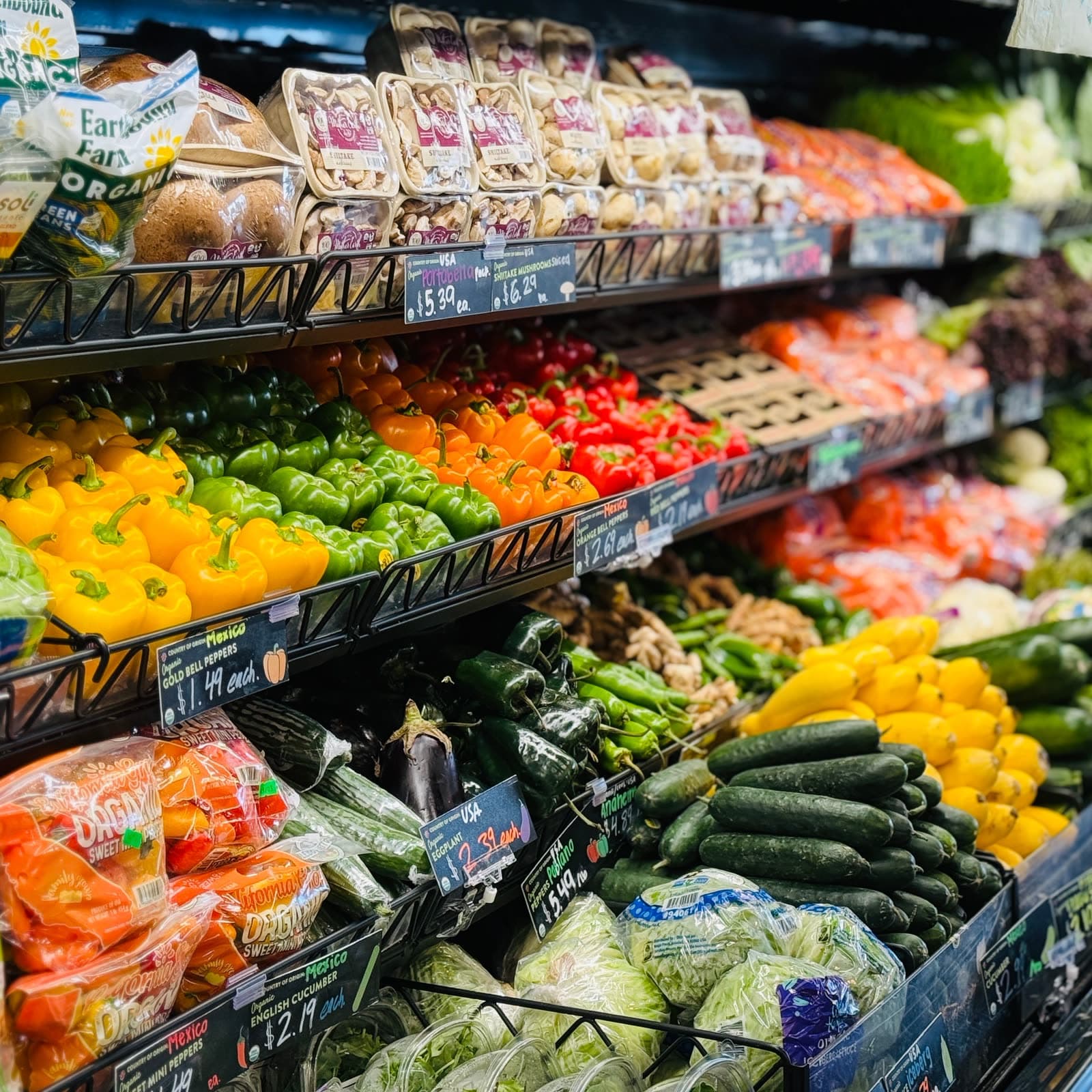
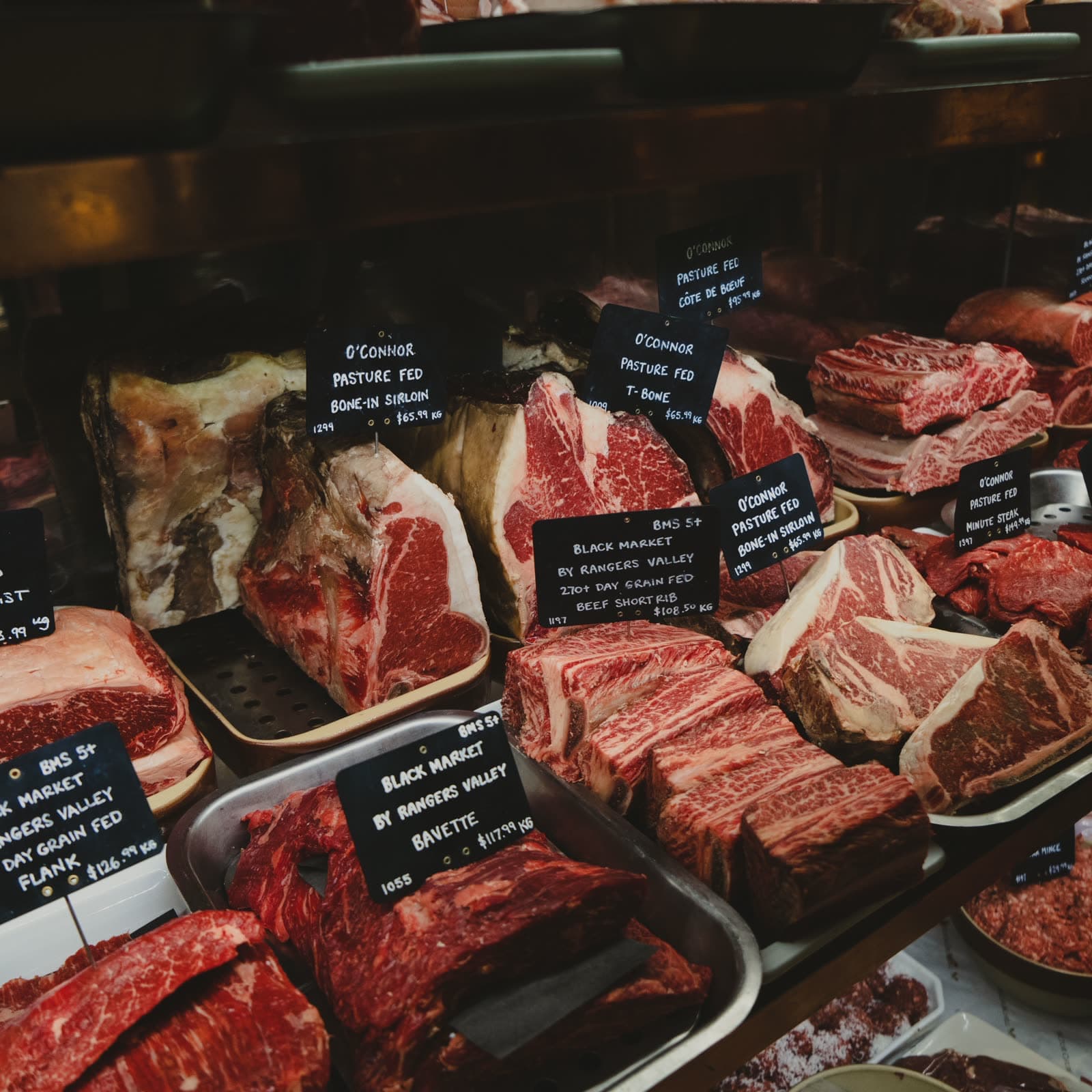
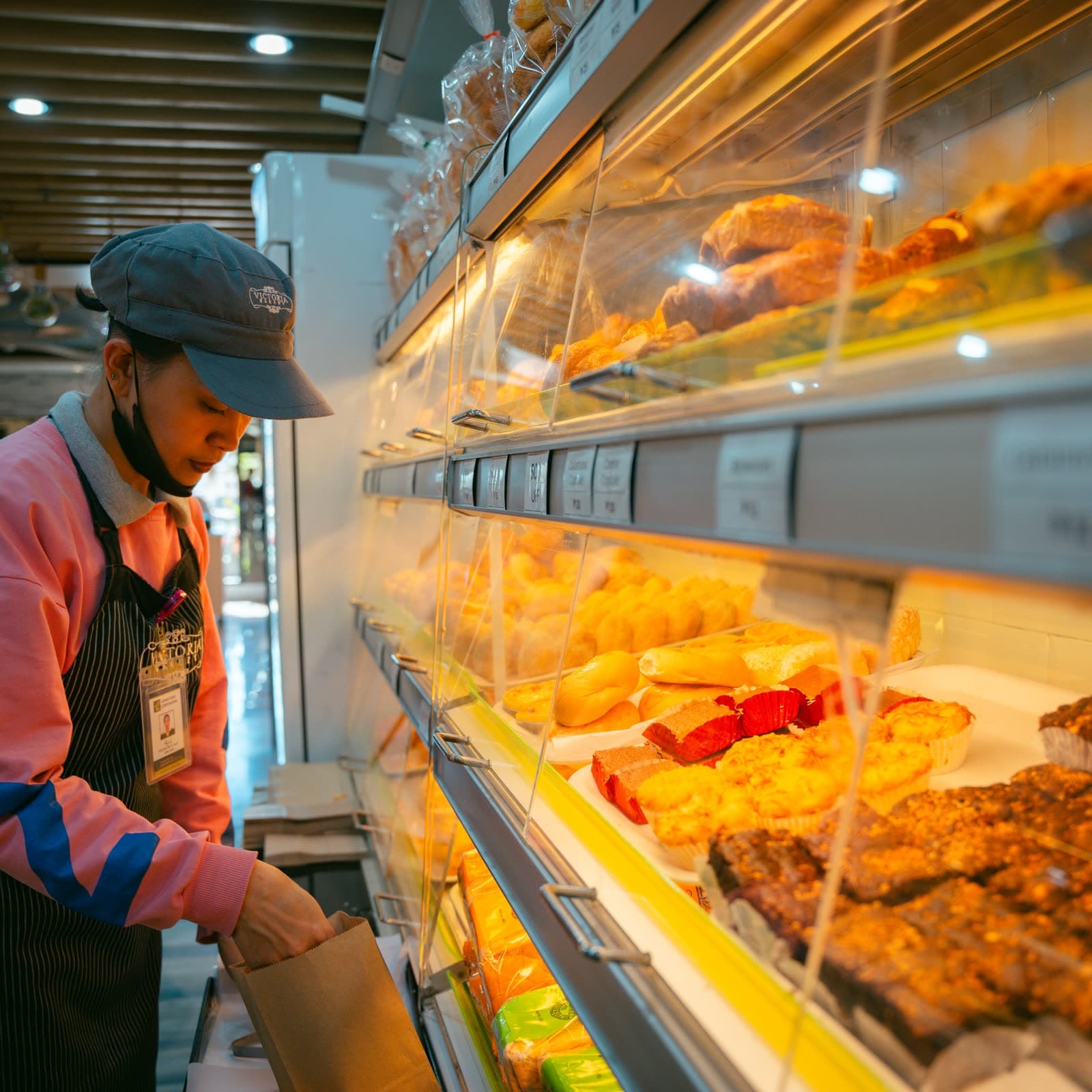
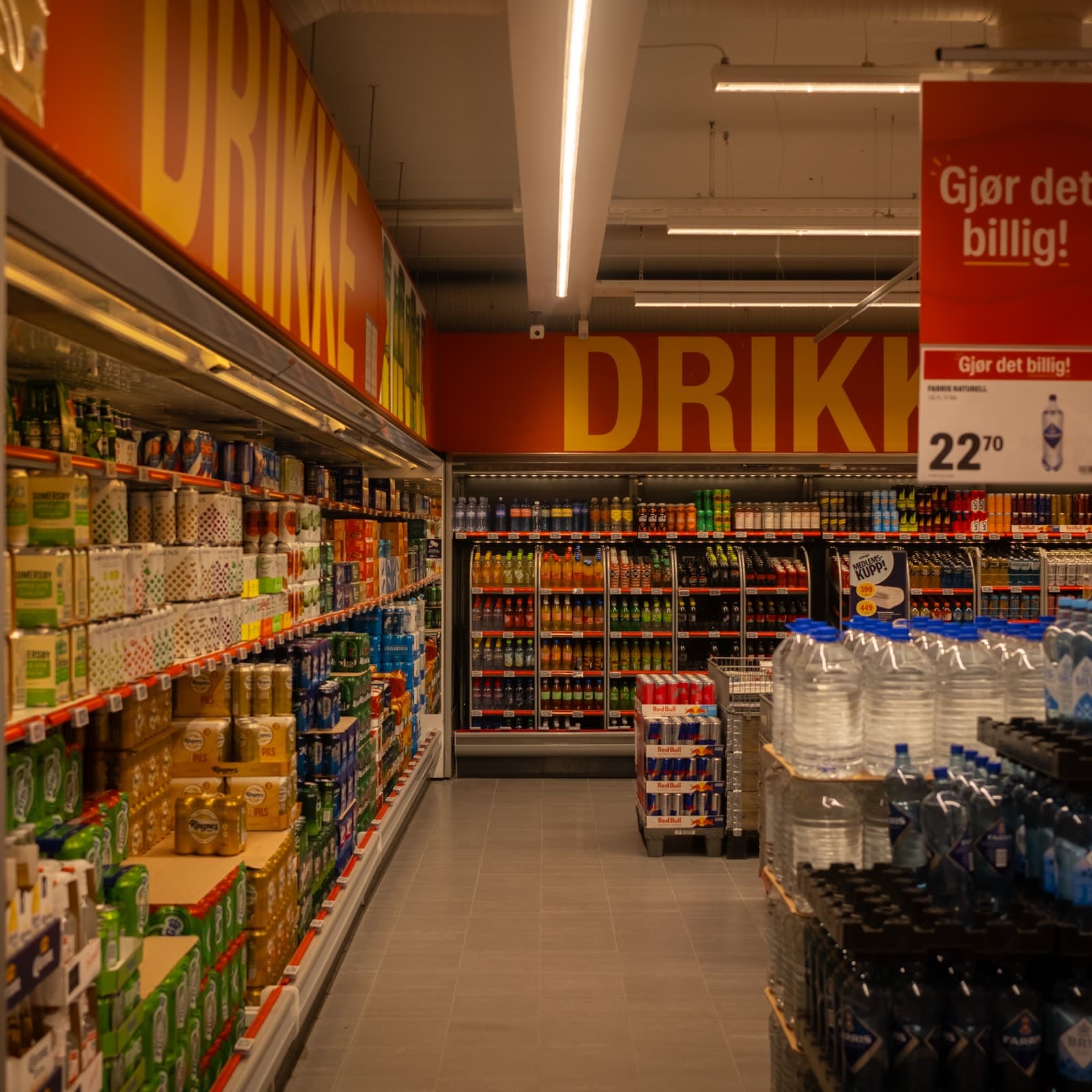

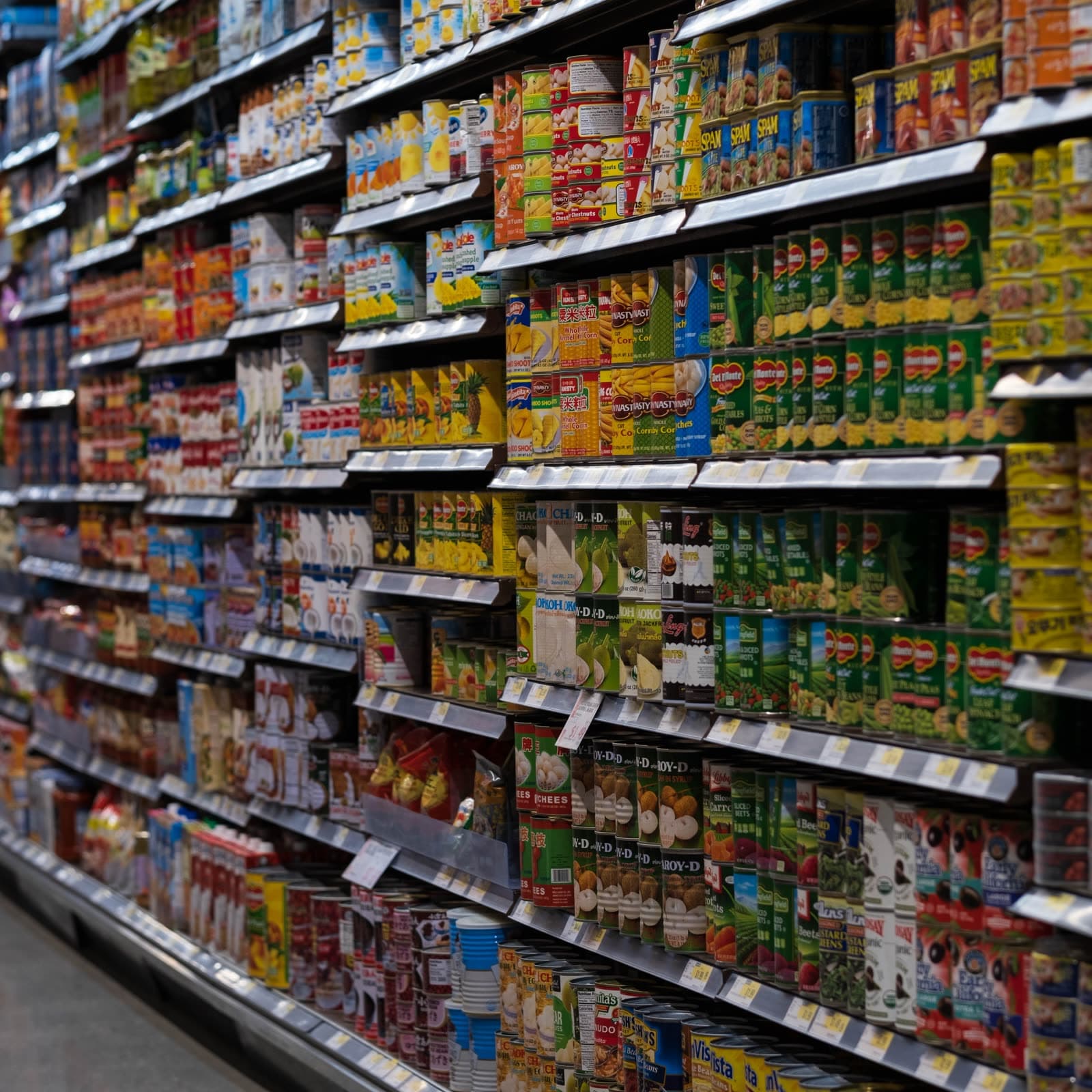
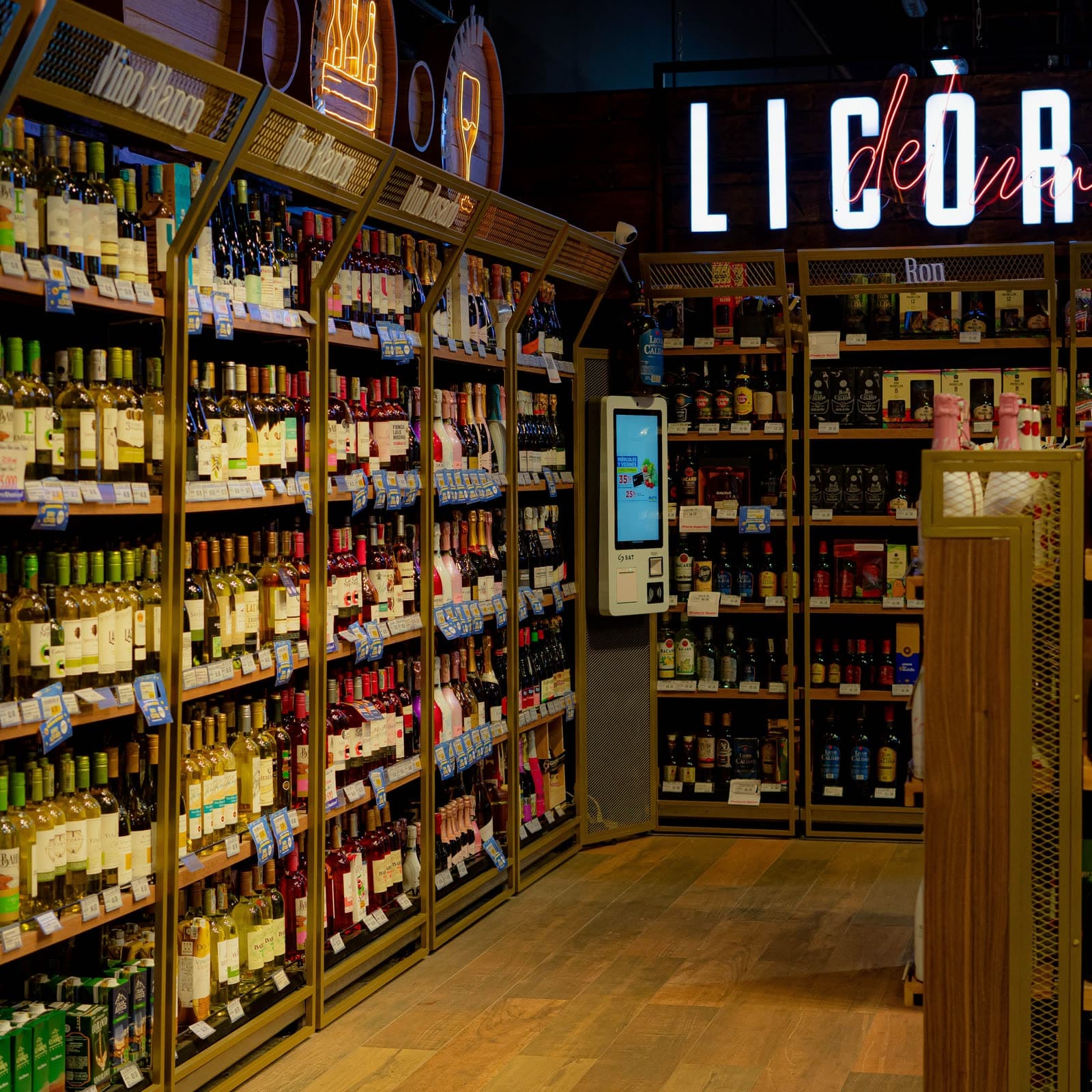

Planned by department, the way grocery works.
Produce
Substitutions
What the picker swapped, per store and per marketplace, against what the shopper had ordered.
The meeting starts on the number, not on reconciling it.
Features
Start every Monday knowing what moved.
The week opens on what changed: the banner that slipped, the channel that fell, the store that ran out. In the order it needs you.
Good morning, Maria.
GMV -11.2% week over week. DoorDash moved most.
This week's readGMV
-11.2% WoW
Orders
-8.9% WoW
Fill rate
+0.2% WoW
Sample data
Ask your numbers in plain English.
Origin AI answers from the same governed numbers the page reads, with the chart that proves it and the scope it answered under.
Morning. Four feeds landed overnight and the book ties out.
Which channel grew fastest this week?
Uber Eats, and it is the only one above four points.
Every register and marketplace in one read.
Instacart, DoorDash, Uber Eats, Shipt, Amazon and the in-store POS, tied to one control total per banner. Scheduled exports from day one. Each vendor moves to API in 1 to 8 weeks.
Filter every page, fast.
One filter bar re-cuts every tile, chart and table on the page: source, channel, region, period. A page only offers the controls that can move it.
Channel
Period
Integration
An API on top of the stack you already run.
Data lands through one governed path, comes back out over an authenticated API, and sits in a database you own.
01 / 04
01
Land the data
Upload the exports, drop a whole quarter as an archive, or point ORIGIN at an authenticated HTTP feed. Every route runs the same adapter mapping, canonical validation and row-level quarantine, so a file and an API call produce the same governed rows.
Instacart · DoorDash · Uber Eats · Uber Eats Market · Shipt · Amazon · banner web stores (Storefront Pro) · in-store POS
02
Read it back over the API
Authenticated JSON endpoints sit behind the same role checks and per-user rate limits as the portal itself, with Excel export on the same permissions. The same endpoints back the ORIGIN iPhone client, in internal testing today, so anything it shows, your systems can pull.
Session or SSO auth · role-scoped · rate limited · Excel export
03
Run it on your database
Point ORIGIN at your own Postgres and it persists every ingest snapshot there, then builds Bronze, Silver and Gold tables on top. Data quality runs as tests, not as a promise: dbt plus Great Expectations on each build.
Postgres · Supabase · medallion build · dbt and Great Expectations checks
04
Sign in with your identity provider
OIDC single sign-on maps your existing groups to portal roles, so access is granted and revoked where you already manage it. No second user directory to keep in step.
OIDC · role mapping · session revocation
RoadmapScheduled connector pulls and email-inbox ingestion run as jobs today, not as an always-on hosted service.
Who opens it
One portal, three ways in.
The same governed dataset, scoped to what each team opens first.
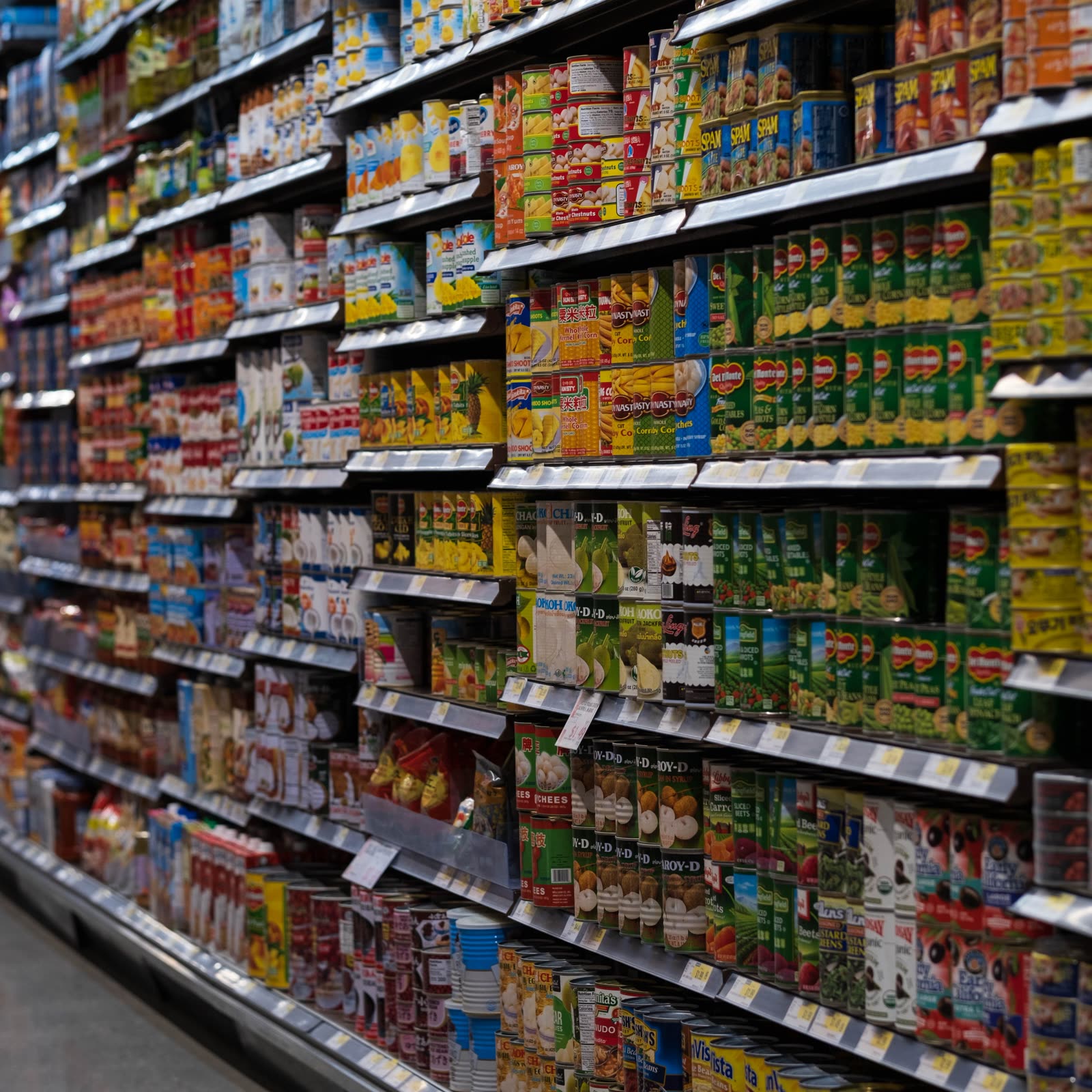
Merchandising
Plan departments, promotions and the weekly ad against one shared number instead of five exports from five platforms.
- Departments and collections
- Campaigns and promotions
- Weekly ad flyers
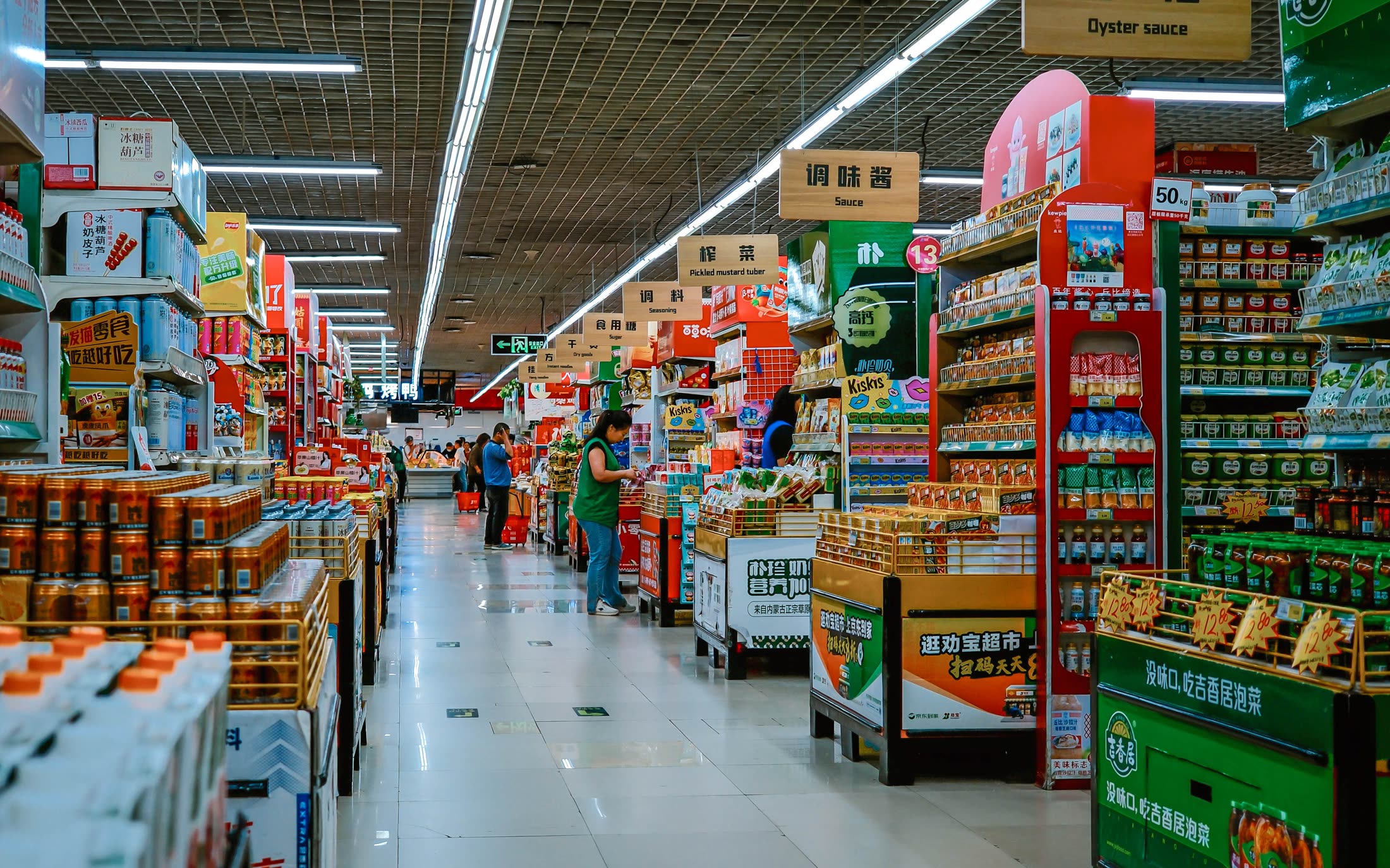
Operations
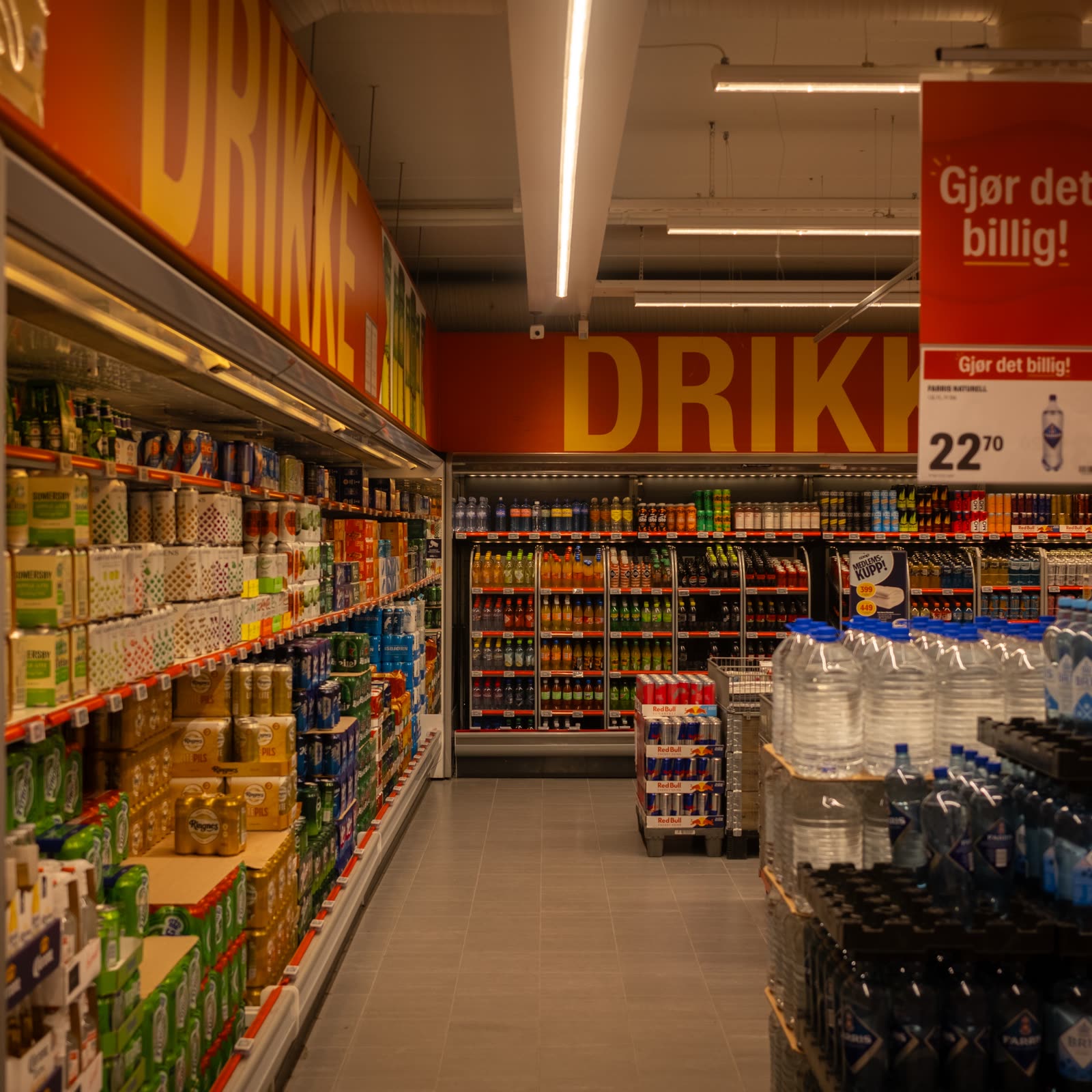
Watch fulfillment, substitutions and refunds across every banner and channel from one screen instead of four logins.
- Fulfillment
- Substitutions
- Refunds and cancellations
Marketing
See retail media and ad spend next to the sales they actually drove, banner by banner, channel by channel.
- Retail media
- Campaigns and promotions
- Weekly ad flyers
Six logins and a spreadsheet is not an operating picture.
GMV
One control total
- One number
- vssix exports
- Tied to the till
- vsplatform reported
- One filter bar
- vsfour logins
Six exports, reconciled by hand
- Instacart Insightsone export
- DoorDash merchant portalone export
- Uber Eats and Uber Eats Markettwo exports
- Shipt and Amazontwo exports
- In-store POSa separate report per banner
Then someone reconciles them by hand, and the number the executive team reads on Wednesday describes a week that already closed.
One read, tied to the till
- One reconciled book
- Every channel and every banner on one control total, tied to the cent
- One filter bar
- Banner, region, channel and period re-cut every number on the page together
- One question box
- Ask in plain English, get the answer and the chart that proves it
Questions
Asked on every first call.
Anything else?Ask us directly
The ask
Run your whole omnichannel from one place.
30 minutes, screen-share, on your own exports.